
Are you considering starting a company to sell custom designs or opening a shop where people can design their own items for the wardrobe? Sounds fun, right? To be honest, it is also a bit scary. To consider how it would feel to design things that are known to sell, we can use things such as custom t-shirts, tote bags, or promotional items.
All these are defined by custom design printing, when you consider the restrictions or challenges that come with the technical side of making the designs or printing them. One of the biggest challenge is using heat press. In the beginning it may feel slightly overwhelming, and most people attempting this end up being frustrated. If you are also one of the small businesses sailing the same boat, then just relax!
Not sure how to use the printer? Shake off the stress. Whether it's custom labels, waterproof labels, or colorful graphics on garments, you'll be producing as good as professional quality in no time while saving time, money, and making you more productive.
All Print Heads will take you step by step through everything so you can print professional photos everyone will love.
What is HTV Heat Press?
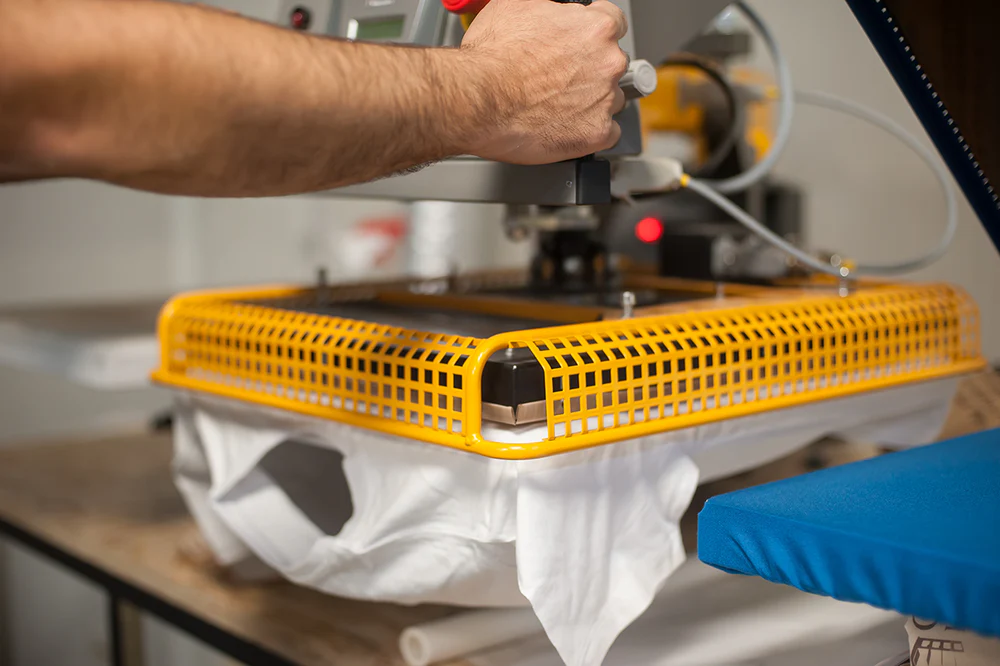
A heat press transfer machine is the preferred method to apply designs made of HTV. It works by utilising a combination of time, temperature, and pressure to adhere vinyl to fabric or other materials. Consider it the magic triad: if you get all three right, the design should remain bright and hold up for a long time.
HTV can also be used with label printers for custom labels, sheet labels, or inkjet labels that are cut from the label sheets and applied with heat, allowing you to print barcodes, tags, or custom stickers for packaging, food products, or small batches.
hey produce high-quality prints – including barcodes, graphics and detailed patterns – directly onto heat-transfer vinyl sheets. After printing, the HTV is cut and applied to garments, bags, hats, or any type of fabric with a heat press. This creates a professional design on a fabric surface which produced a vibrant and durable design; HTV has many uses, including sports jerseys, fashion items, and branded apparel providing both decorative and functional design elements.
Let’s dive into each part:
Time
The pressing time is the time required to apply heat to your design. If you do not press long enough, the vinyl could peel off; pressing too long could ruin the fabric or cause fading. For most fabric types, the sweet spot is 10–15 seconds.
Temperature
Different fabrics will react differently. High heat is tolerated by cotton but not by polyester. This is why you’ll often see temperature ranges such as 270–320°F (132–160°C) on the material.
Pressure
Pressure is basically what ensures the vinyl adheres to the fibers. Pressure will vary from light, medium, to firm, and most machines will have pressure knobs/assessment of pressure. As a beginner, “medium pressure” is a good place to start.
Key Factors That Influence HTV Heat Press Settings

Your outcome is more than simply the number you set on the machine. Several more factors have an impact on your results.
Material Type
Each textile has different heat tolerances. For instance, cotton is heat-friendly and forgiving if you happen to overpress it. Lightweight materials such as silk, on the other hand, require lower temperatures and pressure.
HTV Type
No two HTVs are the same. Some types of vinyl are stretchable (which is excellent for activewear), while other types are glitter or metallic and require some adjustments to the settings. Always be sure to refer to the recommendations of the manufacturer.
Heat Press Brand & Model
Different heat press transfer machines apply heat and pressure differently during the transfer. A high-quality heat press machine may deliver more consistent results. Entry-level models will also work fine, but you may need more trial and error.
Difference Between HTV, Inkjet Labels, and Laser Printers
Selecting a printing technique when beginning a new business and printing custom labels can be challenging. All three printing methods, including HTV, inkjet printers, and laser printers, have benefits depending on your printing needs, volume, and the printing quality you require.
Heat Transfer Vinyl
HTV (Heat Transfer Vinyl) is suitable for clothing and fabric projects. HTV provides a simple means of adding colorful, long-lasting designs to cotton, polyester, or combinations of cotton/polyester and special materials such as glitter and embossing and foil. A heat press transfer machine is required to apply the HTV to the fabric. HTV works well for small runs and custom labels such as logos or stickers. HTV involves heat transfer to a fabric under the correct temperature, time, and pressure for best results. HTV can produce high-quality, professional prints on textiles that will make your project pop!
Inkjet Printers
Inkjet Printers excel at full-color graphics, images, and photos on plain paper, sheet labels, and inkjet labels. Small and efficient, and inexpensive for small businesses, they are useful for high-quality projects that require bright colors. They work well with custom labels and color labels or on a one-sheet project basis, but they may be slower at higher speeds or when printing larger volumes.
Laser Printers
Laser Printers are built for speed and efficiency. They are high-speed, quick, and high-volume printers that are typically smudge-free and, as a result, durable. Great for sheet labels, bar codes, and operational efficiency, laser printers create the best results when consistent speed and high amounts of printed volume are needed. However, they may not have the same cultural results depending on how they are managed with custom graphics or full-color photo projects compared to an inkjet printer.
How to Make the Right Choice?
HTV is preferable for textiles and custom vinyl applications. Inkjet printers are great for bright, versatile print media for small-volume and full-color projects. Laser printers are produced more for speed and high volume, and label printing produces the highest-quality result for industries where durability and efficiency count the most.
It is ultimately a matter of choosing which direction is best for providing prints based on the material, volume of prints, and project. Still, often, they will be printed together, providing you with more options to supply your business's customer base.
Heat Transfer Vinyl Temperature and Time Chart
Here's a convenient chart for reference. Bookmark it so you can refer to it anytime you want.
|
Material |
Temperature (°F / °C) |
Press Time (seconds) |
Pressure |
|
Cotton |
315–320°F / 157–160°C |
10–15 sec |
Medium–Firm |
|
Polyester |
270–285°F / 132–140°C |
10–15 sec |
Light–Medium |
|
Cotton-Poly Blends |
300–315°F / 149–157°C |
10–15 sec |
Medium |
|
Nylon |
305°F / 152°C |
10–15 sec |
Medium |
|
Silk |
270–280°F / 132–138°C |
8–10 sec |
Light |
|
Burlap |
320°F / 160°C |
15–20 sec |
Firm |
|
Leather |
305°F / 152°C |
10–15 sec |
Medium |
This chart provides an excellent place to start your work, but remember, trial and error are part of the journey.
Step-by-Step: How to Set Your Heat Press
It may be initially technical if you are beginning with Heat Transfer Vinyl (HTV). But after you have done it a few times, it will be second nature. To keep you organized and confident, here is a simple step-by-step guide:
Pick Your Fabric and HTV
To begin your project, select the fabric. The most commonly used fabrics are cotton, polyester, or a cotton-polyester blend. Also, make sure that your vinyl is compatible with the fabric. For instance, stretch HTV typically used with sports jerseys, glitter/metallic HTV with fashion items, or labels on packaging.
Prepare Your Design
Use a vinyl cutter and mirror before cutting. Are you printing your own designs? You can simply print labels using an inkjet printer or laser printer with plain paper or sheet labels before pressing.
If you’re creating custom designs that require printing, you can also buy printer ink online to complete your project efficiently.
Set the Temperature and Time
Adjust your heat press according to the material you are using. For example, cotton presses the best at about 320° (160°) for 15 seconds. Use the temp chart to avoid mistakes.
Pre-Press the Fabric
This step is small but essential. Pre-press your fabric for 3-5 seconds. This will smooth out the wrinkles and remove moisture, providing a perfect surface for bonding vinyl.
Position the Design
Carefully place your design where you want it to go. If you are worried about it shifting, you can secure it down with heat-resistant tape.
Apply Pressure and Press
Close the heat press, apply the recommended Pressure, and allow the timer to do the work.
Peel Carefully
When pressing is finished, peel the carrier sheet. Certain HTVs necessitate a hot peel, while others can be either warm or cold peels. Always follow the directions for the specific vinyl you need to use.
We hope these methods will give you a start to achieving professional-quality and consistent results.
Tips for Perfect HTV Application

Even with the correct temperature, time, and pressure, some of the smaller factors can significantly affect the final product of your HTV project. Therefore, here are some remedies to help you avoid some rookie mistakes and get through your HTV print project with a great, polished, professional-looking result every time:
- Test Before You Press: Before you press your final project, do a quick test press with your vinyl on a scrap piece of fabric. If things go wrong, this simple, quick step will save you a vinyl and a tee.
- Use Protection: Before pressing your design, place a sheet of Teflon or parchment paper over it. This will protect your design and press. No one wants ink or vinyl stuck on the plates.
- Skip the Pre-press: A quick 3-5 second pre-press will remove the moisture and wrinkles from the fabric, yielding a flatter surface for your vinyl to bond. It’s fast and straightforward, but it makes all the difference!
- Work with Good Materials: Cheap HTV or a cheap press will peel and fade. Quality vinyl, quality press will give you bright and long-lasting designs.
- Keep the Workspace Clean: Try to keep your area as dust-free as possible; any little fibres will ruin a clean finish.
And as a little bonus tip, don't just think vinyl when you buy supplies. If you are printing your transfers, you may need to buy printers that use speciality inks. With the right pigment and perfect dye for full colour, it allows you to create vinyls to match your print volume. Water-based ink may be more environmentally conscious. Remember, good inputs equal good outputs.
Conclusion
Running a high-speed printing business for custom prints and your own labels is more than acquiring the right equipment. It’s about building confidence with every single cost-effective product you create.
And if you ever do want to move into label printing with inkjet printers, laser printers, or color label printers like the Epson ColorWorks, you will have an understanding of what print quality, label material, and templates mean for success through your use of products in this category.
Regardless of your industry, you can take inspiration from small businesses that, in a closer look, are basically ideas that begin at house!
If initially the process seems tiring, don't get discouraged. With some smart efforts and the right supplies, your heat press transfer machine will start delivering versatile products exactly like you want!
All Print Heads is known for offering the best printer for labels, HTV for small businesses, and other printing materials to help you build a profitable business!
